
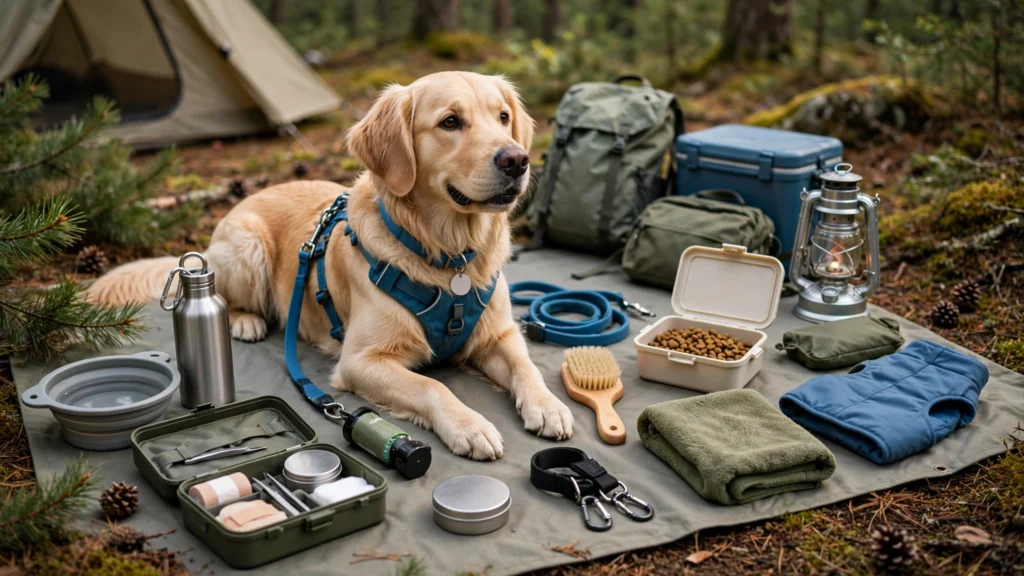
A Camping Holiday becomes more enjoyable when your dog safely joins every outdoor adventure. Careful planning helps prevent stress, injuries, and unexpected problems at the campsite. We can create a comfortable experience by choosing pet-friendly locations, packing the right supplies, and preparing our dogs before departure. These practical steps improve safety and make every trip more relaxing.
Many dog owners consider their pets part of the family, making them natural travel companions. However, successful camping requires more than bringing food and a leash. We need to understand campsite rules, weather conditions, wildlife risks, and our dog’s physical limits. Good preparation allows everyone to enjoy a memorable Camping Holiday together.
Why Preparation Matters for a Camping Holiday
Planning is the foundation of a successful Camping Holiday with dogs. Research shows unfamiliar environments can increase stress in pets, especially during overnight trips. Gradual exposure to tents, sleeping outdoors, and longer walks helps dogs adjust before the journey begins.
Veterinarians recommend scheduling a health check before extended travel. Vaccinations, flea prevention, and updated identification tags reduce health risks. Microchipped dogs also have a much higher chance of being reunited with their owners if they become lost. Preparation protects both the dog and everyone sharing the campsite.
Essential Pre-Trip Checklist
Before leaving, make sure you have:
- Updated ID tag and microchip information.
- Vaccination and medical records.
- Plenty of fresh water.
- Dog food for the entire trip.
- Food and water bowls.
- Leash and backup leash.
- Waste disposal bags.
- Dog first-aid kit.
- Favorite blanket or bed.
- Flashlight or LED collar.
Choosing the Right Campsite
Not every campground welcomes pets, making research essential before booking a Camping Holiday. Review campground policies regarding leash requirements, restricted areas, and breed regulations. National parks often limit dogs on hiking trails, while many private campgrounds provide dedicated pet-friendly facilities.
The campsite itself should also match your dog’s personality and activity level. Quiet dogs may prefer wooded sites with fewer visitors. Energetic breeds benefit from larger campsites that allow safe movement. Shade, nearby water access, and level ground improve comfort during warm weather and overnight stays.
Features of a Dog-Friendly Campsite
Look for campsites offering:
- Designated dog walking areas.
- Easy access to clean water.
- Shaded camping spaces.
- Clearly marked hiking trails.
- Pet waste stations.
- Reasonable leash policies.
- Emergency veterinary services nearby.
Packing Smart for Your Camping Holiday
Packing correctly makes every Camping Holiday safer and more comfortable. Dogs require many of the same travel essentials as people, including food, clean water, shelter, and medical supplies. Bringing familiar items also reduces anxiety in unfamiliar surroundings.
A well-stocked dog first-aid kit should include bandages, antiseptic wipes, tweezers, tick removal tools, and emergency contact numbers. Portable water containers help prevent dehydration during hikes. Reflective collars and LED lights improve visibility after sunset, reducing the chance of accidental separation.
Dog Camping Essentials
| Item | Purpose |
|---|---|
| Portable water bowl | Prevents dehydration |
| Dog sleeping pad | Improves warmth and comfort |
| Tick remover | Removes parasites safely |
| Reflective leash | Increases nighttime visibility |
| Cooling towel | Helps prevent overheating |
| Dog first-aid kit | Handles minor injuries |
| Waste bags | Maintains campsite cleanliness |
| Favorite toy | Reduces stress |
Keeping Your Dog Safe Outdoors
Safety should remain the highest priority throughout any Camping Holiday. Wildlife encounters can happen unexpectedly, especially near forests and lakes. Keeping dogs leashed prevents chasing animals and reduces injury risks for both pets and wildlife.
Weather conditions also affect outdoor safety. Dogs can develop heat exhaustion during summer hikes or hypothermia during cold nights. Always provide shade, frequent water breaks, and dry sleeping areas. Inspect paws daily for cuts, burns, or sharp objects after long walks across rocky trails.
Recognizing Signs of Heat Stress
Watch for these warning signs:
- Excessive panting.
- Bright red gums.
- Weakness.
- Vomiting.
- Confusion.
- Difficulty walking.
Immediate cooling and veterinary care may be necessary if symptoms worsen.
Camping Etiquette with Dogs
Responsible owners help everyone enjoy a peaceful Camping Holiday. Keeping dogs under control prevents conflicts with other campers and protects local wildlife. Excessive barking, roaming freely, or failing to clean up after pets can quickly create unnecessary problems.
Experienced campground managers consistently emphasize respectful pet behavior. Maintaining leash control, disposing of waste properly, and respecting quiet hours improve the camping experience for everyone. Friendly interactions also encourage campgrounds to continue welcoming responsible pet owners.
Good Camping Habits
Follow these simple practices:
- Keep dogs leashed unless permitted otherwise.
- Clean up waste immediately.
- Respect quiet hours.
- Prevent dogs from approaching unfamiliar campers.
- Store dog food securely.
- Never leave dogs unattended for long periods.
Making Hiking Enjoyable During Your Camping Holiday
Hiking often becomes the highlight of a Camping Holiday, but dogs need gradual conditioning for longer trails. Begin with shorter hikes before attempting difficult terrain. Regular rest stops allow dogs to recover while reducing the chance of overheating.
Experienced outdoor veterinarians recommend monitoring energy levels instead of focusing only on distance. Young puppies, senior dogs, and flat-faced breeds tire more quickly than healthy adult working breeds. Choosing dog-friendly trails with water access creates a safer and more enjoyable outdoor experience for everyone involved. Explore our latest insights in How to Keep Kids Entertained on a Camping Holiday.
Conclusion
A well-planned Camping Holiday with your dog combines preparation, safety, and responsible camping habits. Choosing suitable campsites, packing essential supplies, and respecting campground rules create a rewarding outdoor experience. With thoughtful planning, we can confidently enjoy nature while keeping our dogs healthy, comfortable, and safe throughout every adventure.